How to Choose the Right CPA Exam Preparation Course
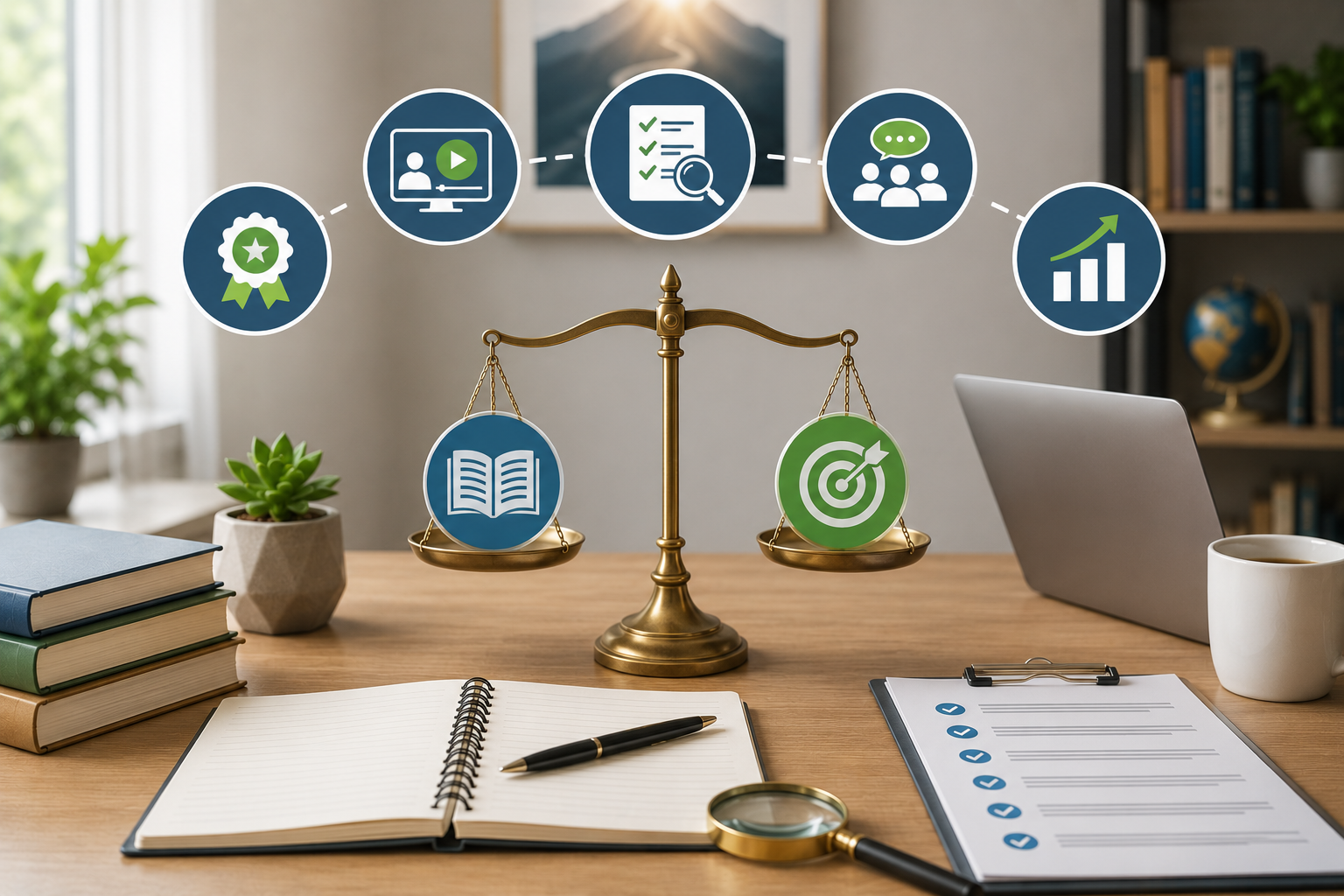
With dozens of providers competing for your tuition dollars, choosing a CPA exam preparation course can feel overwhelming. The right course should align with the CPA Evolution exam blueprint, which covers three Core sections (AUD, FAR, REG) and one Discipline section (BAR, ISC, or TCP). Before comparing providers, it helps to understand what a complete preparation course actually needs to include: video lectures that explain concepts in plain language, a large bank of multiple-choice questions, realistic task-based simulations, and a study planner that adapts to your timeline.
Key Features to Look For
Volume of content matters less than how well it maps to your weak areas. A course with thousands of generic questions is less useful than one built around a personalized skills assessment that tells you exactly which topics deserve the most hours. Look for providers that let you start with a diagnostic before committing to a full review package, so your study time is targeted rather than spread evenly across material you may have already mastered.
Format is another key consideration. Some candidates thrive with fully self-paced CPA study materials, working through lectures and questions on their own schedule. Others need the structure and accountability of live tutoring sessions, where an instructor reviews progress weekly and adjusts the plan in real time. If you are facing a hard deadline, such as a license requirement or a job offer contingent on passing, an intensive CPA boot camp can compress months of preparation into a focused, supported sprint.
Choosing the Right Format and Support
Beyond content and format, consider the support system around the course. Does the provider offer a way to ask questions when you get stuck? Is there guidance on managing the stress that comes with a four-hour exam and a 30-month testing window? Courses that pair technical review with performance and stress-management coaching address the full picture of exam readiness, not just content knowledge.
Ultimately, the best CPA exam preparation course is the one that matches how you actually learn and the timeline you are working within. Start with an honest assessment of your strengths and weaknesses, choose a format that fits your schedule, and prioritize providers that offer real accountability. For a tailored recommendation, schedule a free consultation and walk through your options with an advisor.
Frequently Asked Questions
What should a CPA exam preparation course include?
At minimum, it should include video lectures aligned to the current AICPA blueprint, a large multiple-choice question bank, task-based simulations, and a study planner. The best courses also include a diagnostic assessment and access to instructor support.
Is a more expensive CPA prep course always better?
Not necessarily. Price often reflects volume of content and brand recognition rather than how well a course fits your specific gaps. A targeted course paired with tutoring can outperform a generic, content-heavy package for candidates who need accountability.
Can I switch CPA prep courses partway through my studies?
Yes, although it is best avoided if possible since switching formats can disrupt momentum. If your current course is not working, consider supplementing it with a skills assessment or tutoring rather than starting over completely.