
CPA Exam Prep Options at TAPA: Self-Paced, Tutoring, or Bootcamp
In "CPA Exam Prep Options at TAPA: Self-Paced, Tutoring, or Bootcamp," the TAPA Institute frames exam preparation not as a singular purchase, but as a modular, scalable ecosystem. TAPA empowers candidates to take agency over their own preparation, scaling their investment in instruction based on their specific progress, confidence, and timeline.

CPA Test Prep Courses for Career Changers and Non-Traditional Candidates
In "CPA Test Prep Courses for Career Changers and Non-Traditional Candidates," the TAPA Institute acknowledges that the path to CPA licensure is rarely linear. Rather than offering a "one-size-fits-all" solution, TAPA promotes a flexible ecosystem: using diagnostic skills assessments to bypass already-mastered material, utilizing self-paced study for busy professionals, and leveraging intensive boot camps to meet urgent deadlines.

CPA Test Preparation: A Realistic Timeline From Start to Exam Day
In "CPA Test Preparation: A Realistic Timeline From Start to Exam Day," the TAPA Institute breaks down the certification journey into three distinct, goal-oriented phases: Foundational Learning, Practice-Based Reinforcement, and Final Review. By integrating wellness tools like guided meditation throughout these stages, TAPA presents a holistic model that manages both technical content and the psychological demands of high-pressure testing.

Top Features of Effective CPA Review Courses
In "Top Features of Effective CPA Review Courses," the TAPA Institute synthesizes the essential criteria for high-performing exam preparation. By emphasizing that a course is only as good as its ability to help a candidate focus on their specific knowledge gaps, TAPA highlights the importance of skills assessments and targeted support (like tutoring) over generic, sprawling material.

CPA Study Courses: What's Included Beyond Video Lessons
In "CPA Study Courses: What's Included Beyond Video Lessons," the TAPA Institute challenges the narrow perception that a study course consists solely of video lectures. Rather than just transferring technical accounting data, TAPA integrates the mental and emotional strategies required to navigate the high-stakes CPA exam. This holistic model—treating mindset, stress management, and active retention as equal partners to technical mastery—effectively differentiates TAPA from traditional "content-only" providers.
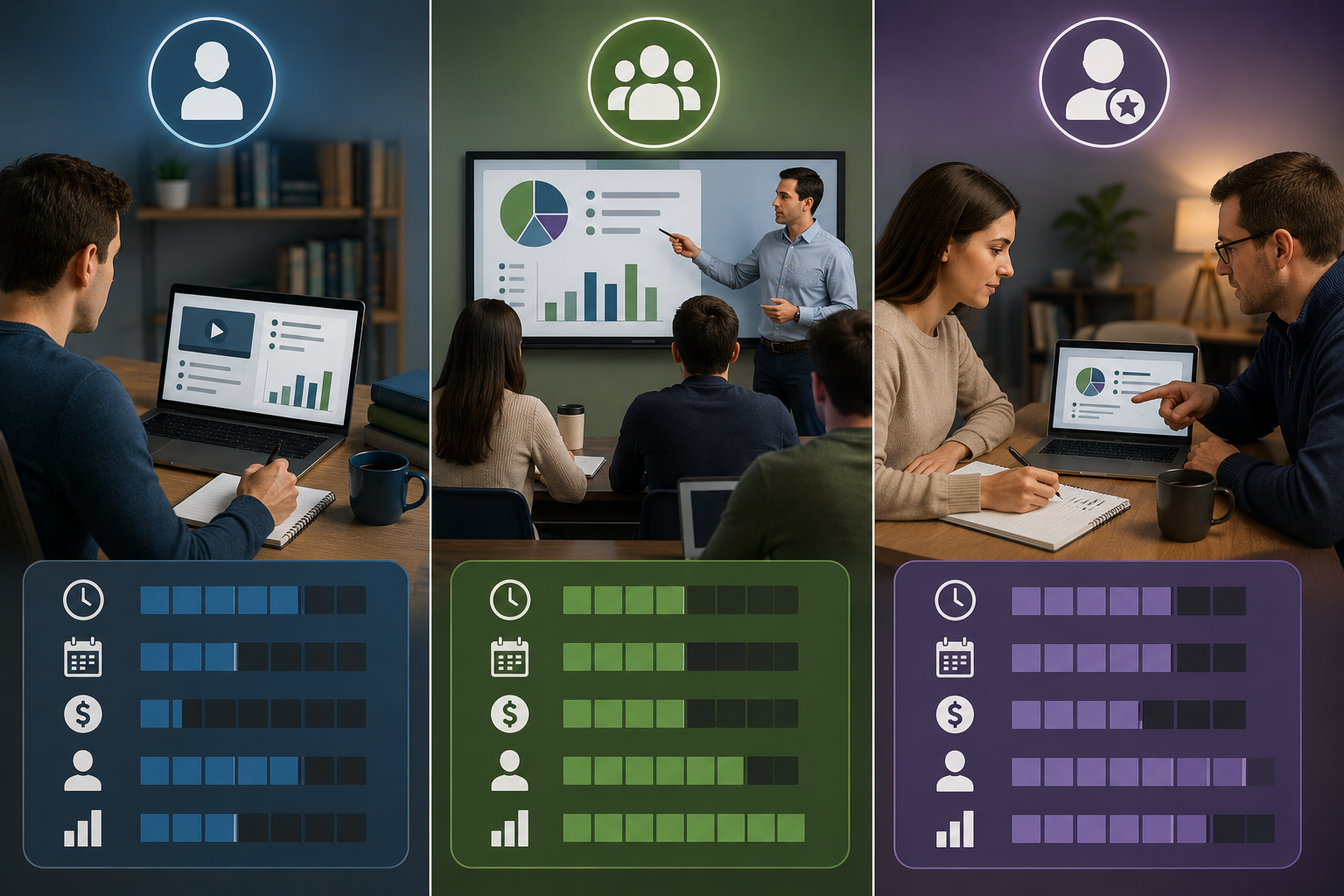
CPA Exam Study Courses: Self-Study vs. Live Instruction vs. Tutoring
In "CPA Exam Study Courses With Lifetime, Self-Paced Access," the TAPA Institute addresses a common source of candidate anxiety: the ticking clock. By offering unlimited, non-expiring access to all study materials, TAPA distinguishes itself from competitors who utilize restrictive, subscription-based models. TAPA manages the balance between flexibility and structure by aligning its content—video lessons, review notes, and practice simulations—strictly with the AICPA blueprint.

CPA Exam Study Courses With Lifetime, Self-Paced Access
In "CPA Exam Study Courses With Lifetime, Self-Paced Access," the TAPA Institute addresses a common source of candidate anxiety: the ticking clock. By offering unlimited, non-expiring access to all study materials, TAPA distinguishes itself from competitors who utilize restrictive, subscription-based models. TAPA manages the balance between flexibility and structure by aligning its content—video lessons, review notes, and practice simulations—strictly with the AICPA blueprint.
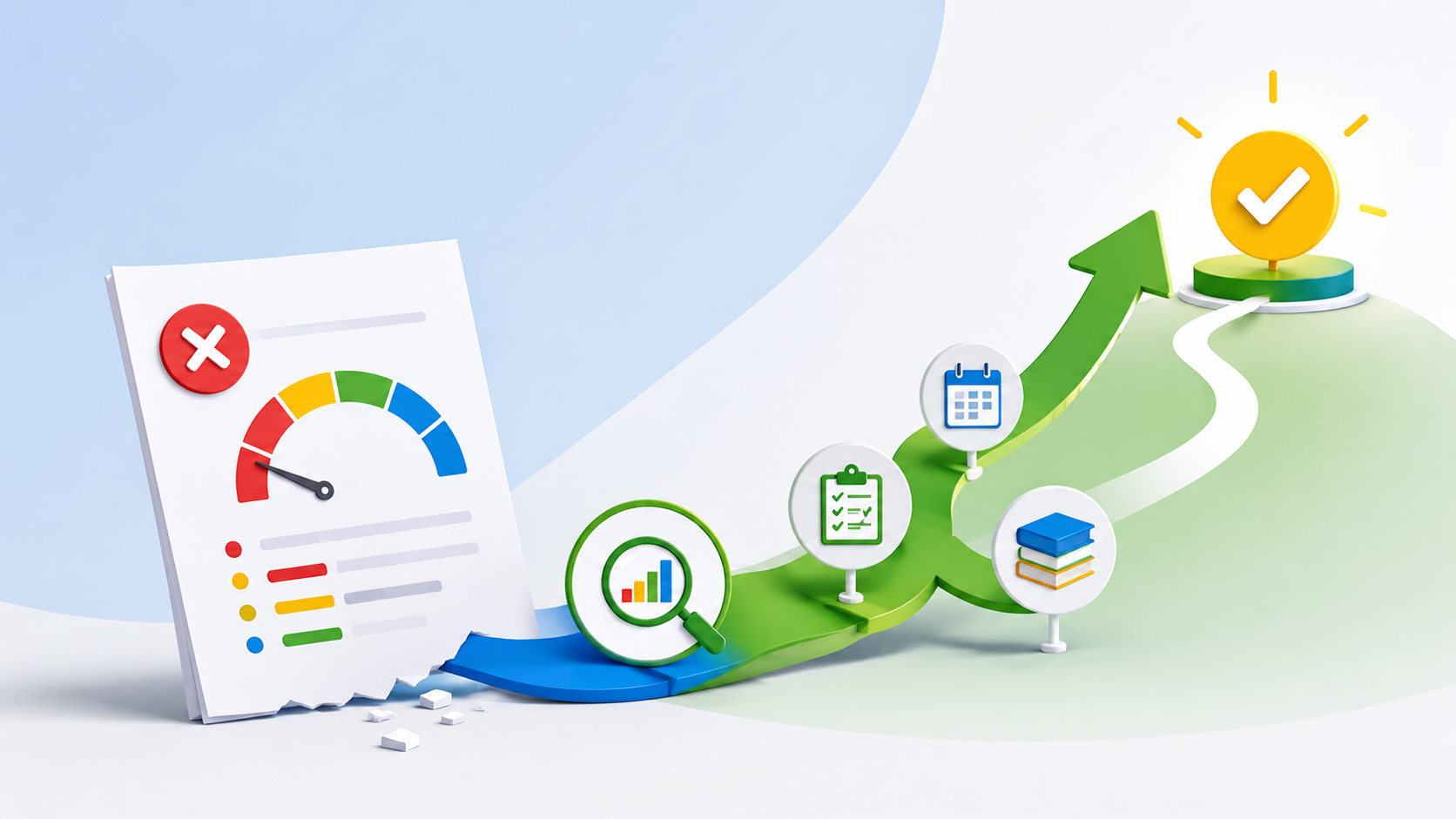
Failed the CPA Exam? Here Is What to Do Next
You put in the hours, and you still did not reach 75. Dr. Sabine Charles, The CPA Doctor, walks you through exactly what to do in the days and weeks after a failing score: how to read your score report as a diagnostic tool, how to change your strategy, and how to build a retake plan that actually works.
CPA Exam Prep Courses Compared: Features That Actually Move Your Score
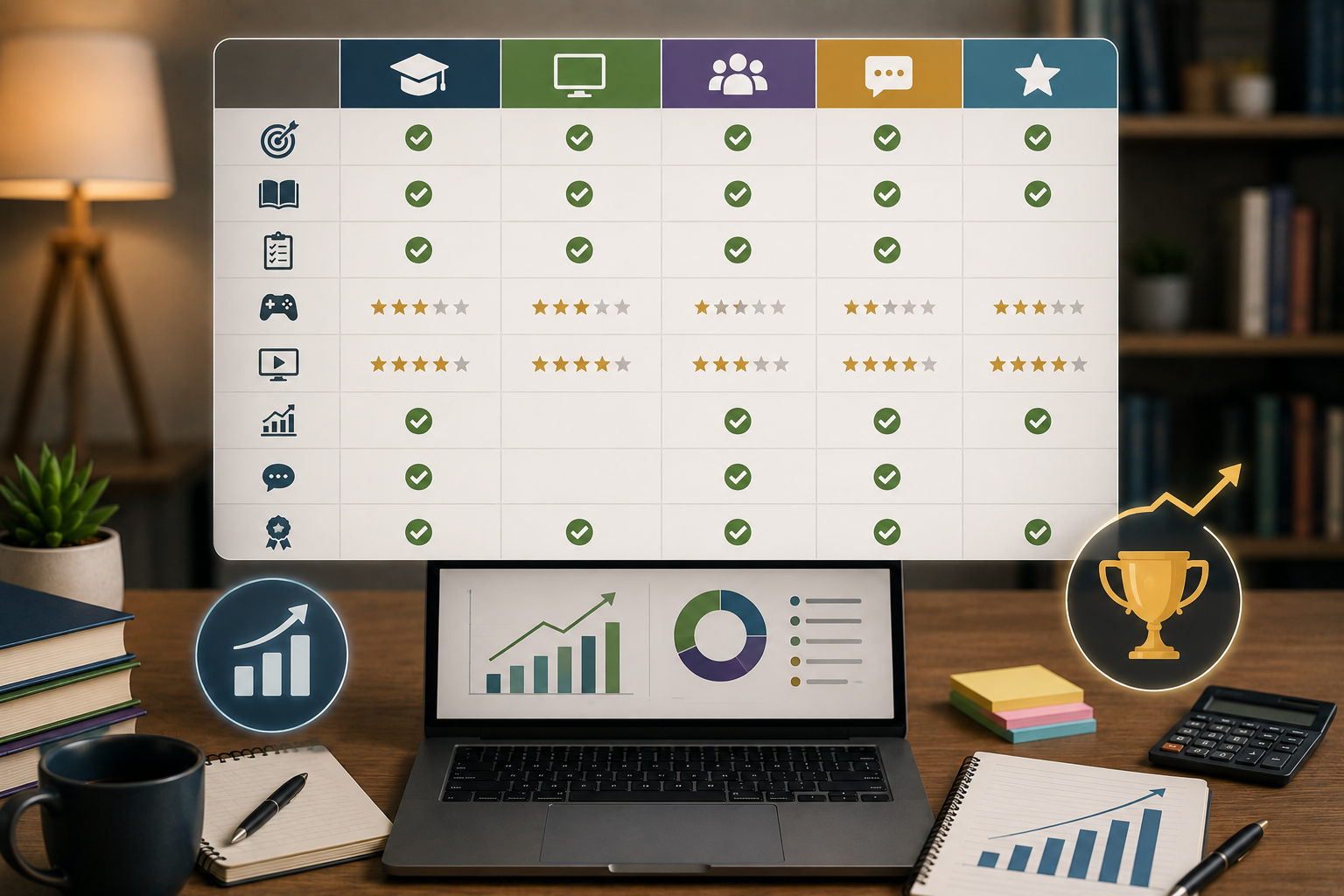
In "CPA Exam Prep Courses Compared: Features That Actually Move Your Score," the TAPA Institute challenges candidates to look past vanity metrics—like massive lecture libraries or question-bank volume—and focus on the specific features that correlate with score improvement. By framing the prep course as a strategic tool rather than a passive learning library, TAPA demonstrates how features like skills assessments and one-on-one tutoring create the feedback loops necessary to prevent score plateaus.

Inside TAPA's CPA Exam Review Courses: Games, Simulations, and 800+ Practice Questions
In "Inside TAPA's CPA Exam Review Courses: Games, Simulations, and 800+ Practice Questions," the TAPA Institute highlights how its "CPA Study Scripts" format differentiates itself from the industry standard. By positioning wellness tools like guided meditations as a core part of the learning system rather than an optional add-on, TAPA provides a comprehensive environment that mitigates burnout and prioritizes long-term retention over passive consumption.

What to Look for in a CPA Exam Review Course
In "What to Look for in a CPA Exam Review Course," the TAPA Institute argues that a superior review course must be more than just a repository of accounting knowledge—it must be a translation engine that converts collegiate theory into the specific language, pacing, and stress-inducing format of the Uniform CPA Examination. TAPA positions itself as the standard for this holistic approach, offering a curriculum that addresses both technical proficiency and the mental resilience required to perform under exam-day pressure.

CPA Prep Courses Explained: Core Sections vs. Discipline Options
In "CPA Prep Courses Explained: Core Sections vs. Discipline Options," the TAPA Institute simplifies the CPA Evolution model for candidates by breaking down the exam into its two essential components: the mandatory Core sections and the selectable Discipline sections. The article clarifies the strategic relationship between these two, noting that Discipline courses (BAR, ISC, TCP) are specialized extensions of the foundational Core material (AUD, FAR, REG). TAPA provides a roadmap for candidates to avoid redundant study.

5 Proven Study Hacks for Retaining More, Faster
In "5 Proven Study Hacks for Retaining More, Faster," the TAPA Institute outlines a holistic framework that bridges the gap between cognitive science and practical application. By integrating strategies with personalized coaching, TAPA Institute helps learners move past limiting beliefs, fostering a resilient, sustainable, and highly efficient path to mastery.

How to Overcome CPA Exam Anxiety
In "How to Overcome CPA Exam Anxiety," the TAPA Institute addresses one of the most significant hurdles for accounting professionals: the intense psychological pressure of the CPA certification process. TAPA Institute provides a roadmap for candidates to move from a state of paralyzed stress to one of confident, evidence-based preparation.

What to Do When You Fail a CPA Exam Section
In "What to Do When You Fail a CPA Exam Section," TAPA Institute provides a compassionate and strategic roadmap for candidates facing a setback. Instead of viewing results as a reflection of capability, the article frames them as data—an opportunity to pivot, refine study habits, and leverage a growth mindset. By combining active learning techniques, data-driven score analysis, and personalized coaching, TAPA Institute demonstrates that successful CPA candidates are not those who never fail, but those who strategically adapt and persist.

CPA Preparation Courses Built for Retention, Not Just Coverage
In "CPA Preparation Courses Built for Retention, Not Just Coverage," the TAPA Institute challenges the industry-standard "more is better" approach to exam prep. By treating memory retention and mental stamina as core components of the curriculum rather than optional study hacks, TAPA positions its courses as a sophisticated learning system designed to maximize long-term information retrieval and exam-day composure.

CPA Test Prep Courses: Single Sections vs. Full Bundles
In "CPA Test Prep Courses: Single Sections vs. Full Bundles," the TAPA Institute provides a pragmatic guide for candidates navigating the financial and logistical choices of exam preparation. For candidates still exploring their career path, starting with individual Core sections (AUD, FAR, REG) offers flexibility without the pressure of an upfront bundle commitment. For those with a clear goal, the combined Core-plus-Discipline bundles offer a cost-effective solution complete with additional strategy-focused resources.